 Theory Of The Day
Navigate financial storms with resilience. Practical guide for recovery strategies & stability amidst economic downturns.
Financial hardship can be a terrifying and overwhelming experience. Here at Theory of the Day, we believe in offering practical tools and clear guidance to help you navigate challenges. This post equips you with a roadmap for navigating financial difficulty and emerging stronger.
Taking Stock of Your Situation:
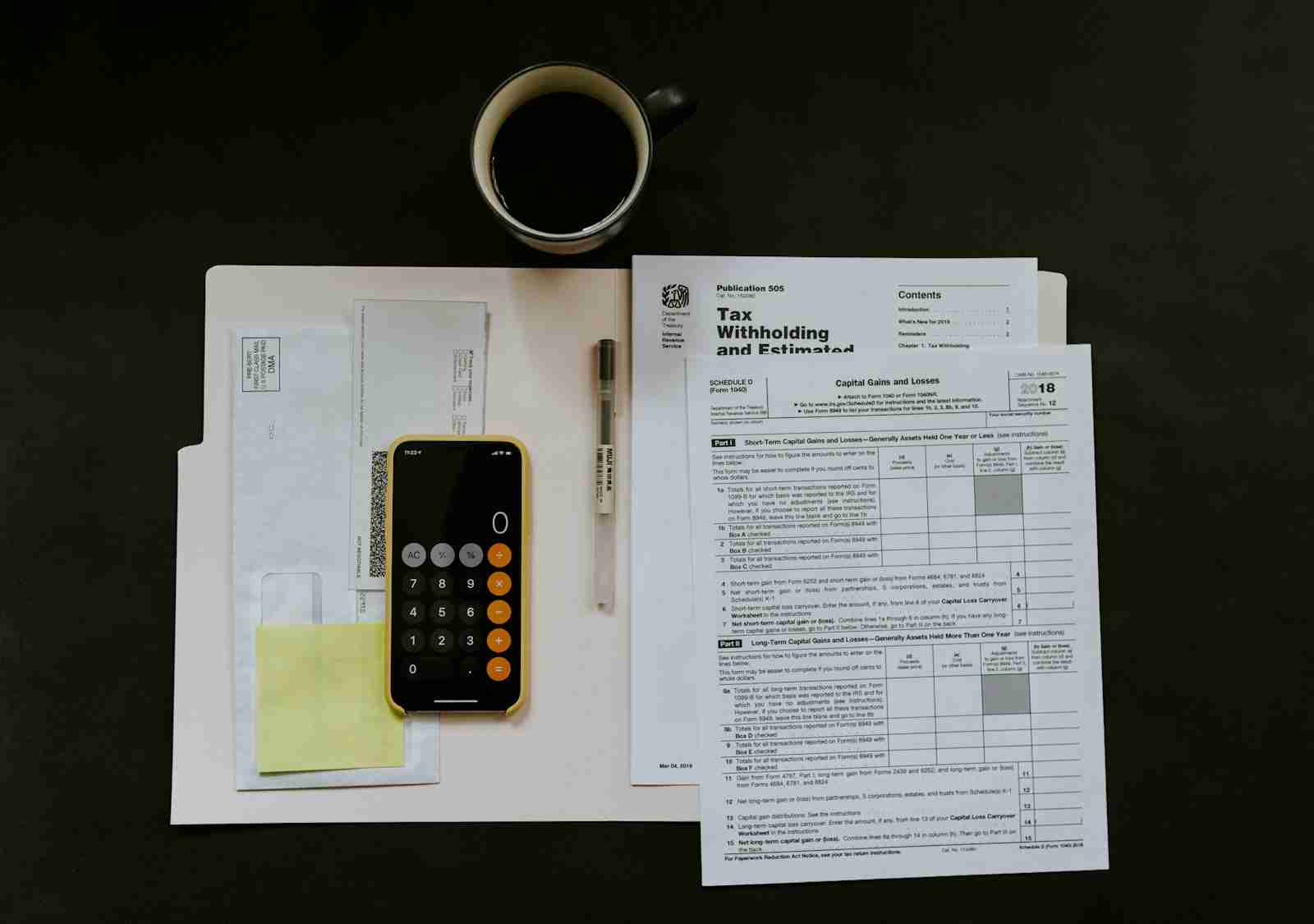
The first step is acknowledging the reality of your situation. Gather your financial statements – bank balances, credit card bills, loans – and take a clear-eyed assessment of your income and expenses. Understanding your financial landscape is essential for crafting a recovery plan.
Prioritizing Needs:
Distinguish between needs and wants. Focus on essential expenses – housing, food, utilities, necessary transportation. Cut back on non-essentials like dining out, subscriptions, or entertainment until you regain financial stability. Every dollar saved strengthens your position.
Seeking Professional Help:
Financial advisors or credit counselors can offer invaluable advice and support. Consider government assistance programs you may qualify for, or explore options for debt consolidation or restructuring. Don’t hesitate to seek professional guidance – it can be a game-changer in navigating complex financial situations.
Open Communication is Crucial:
If you have a partner or family, open communication is key. Discuss your financial situation honestly, develop a plan together, and hold each other accountable. Transparency fosters trust and strengthens your support system during this challenging time.
Building a Safety Net:
Even small amounts set aside regularly can create a safety net for future emergencies. Aim to save 3-6 months of living expenses to weather unexpected financial blows. Having an emergency fund provides peace of mind and allows you to focus on long-term goals.
Resourcefulness is Key:
Explore ways to generate additional income. Freelance work, a side hustle, or monetizing a hobby can provide a financial cushion. Consider downsizing your living situation or finding cheaper alternatives for utilities or insurance. Think creatively about ways to stretch your income further.
Prioritizing Your Well-being:
Financial hardship can take a toll on your mental and emotional well-being. Prioritize self-care – healthy eating, regular exercise, and relaxation techniques can help manage stress and anxiety. Don’t be afraid to seek support from therapists or counselors if needed. Taking care of yourself is essential for maintaining the energy and focus needed to navigate this challenge.
Remember:
Financial setbacks don’t define you. By applying reason, resourcefulness, and self-compassion, you can navigate this challenging period and build a more secure financial future. Here are some additional tips to keep in mind:
- Focus on Progress, Not Perfection: Financial recovery is a journey, not a destination. Celebrate small wins and milestones along the way.
- Learn from Your Mistakes: Analyze what led to this situation. Use this knowledge to make informed financial decisions in the future.
- Stay Positive: Maintaining a positive outlook can boost your resilience and motivation. Focus on the steps you’re taking to improve your situation.
Financial hardship is a challenge, but it’s not insurmountable. By following these steps and prioritizing your well-being, you can weather the storm and emerge on stronger financial footing.