 Theory Of The Day
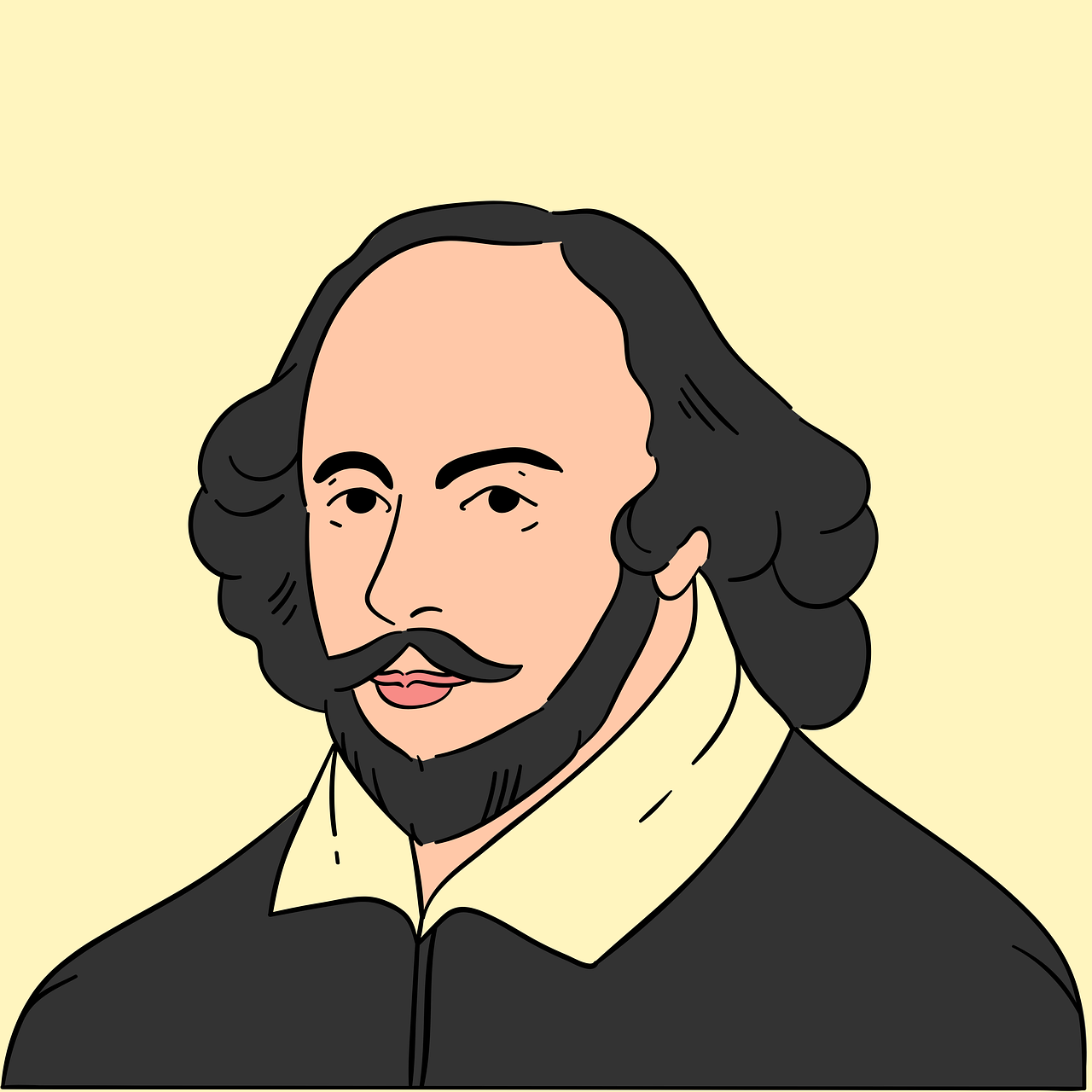
The question of whether William Shakespeare of Stratford-upon-Avon wrote the plays attributed to him has been a topic of heated debate for over a century. Despite Shakespeare’s position as one of the most revered writers in the English language, some scholars and skeptics believe that the man from Stratford was not the true author of the works that bear his name. This theory, known as the Shakespeare Authorship Question, suggests that someone else—possibly a member of the nobility or another writer—was the real genius behind the iconic plays and poems. Let’s delve into the evidence and arguments that fuel this controversy.
Historical Evidence and Arguments Against Shakespeare’s Authorship
- Educational Background and Literacy:
- Limited Education: William Shakespeare was born to a relatively unremarkable family and attended a local grammar school. Critics argue that his modest education would have been insufficient to produce the sophisticated and erudite works attributed to him. The plays demonstrate extensive knowledge of law, classical literature, foreign languages, and aristocratic sports—subjects unlikely to be mastered by someone of Shakespeare’s educational background .
- Scarcity of Contemporary References:
- Lack of Documentation: There is a noticeable scarcity of personal documents, letters, or manuscripts directly connected to Shakespeare. This absence is suspicious to some researchers, who point out that many of Shakespeare’s contemporaries left behind more substantial documentary evidence of their lives and works.
- Doubt from Prominent Figures:
- Mark Twain and Other Doubters: Prominent literary figures, including Mark Twain, Sigmund Freud, and Orson Welles, have expressed doubts about Shakespeare’s authorship. Twain’s book “Is Shakespeare Dead?” articulates many of the arguments against Shakespeare, suggesting that the true author’s identity was concealed for personal or political reasons .
- The Case for Edward de Vere, 17th Earl of Oxford:
- Noble Authorship Theory: One of the most popular alternative candidates is Edward de Vere, the 17th Earl of Oxford. Proponents of this theory argue that de Vere’s education, courtly experience, and known literary talents align with the sophisticated knowledge and style found in Shakespeare’s works. Additionally, de Vere’s connections to the Elizabethan court provide a plausible explanation for the intimate depictions of court life in the plays.
- Francesco Petrarch and the Italian Connection:
- Detailed Knowledge of Italy: Shakespeare’s plays demonstrate an intricate knowledge of Italian geography, culture, and law, which some argue would have been difficult for Shakespeare to acquire without extensive travel—travel for which there is no evidence. This detailed understanding of Italy has led some to propose that the true author might have been someone who spent considerable time in Italy .
- The Baconian Theory:
- Sir Francis Bacon: Another prominent candidate is Sir Francis Bacon, a philosopher, scientist, and statesman. Advocates of the Baconian theory argue that Bacon’s intellectual prowess and his known interest in literature and theatre make him a plausible candidate. Some Bacon supporters point to perceived cryptographic messages in Shakespeare’s works that they believe reveal Bacon’s authorship .
- Collaborative Authorship:
- Multiple Authors Theory: Some scholars suggest that the plays attributed to Shakespeare were the result of collaborative efforts. This theory posits that several writers, possibly including Christopher Marlowe, Ben Jonson, and others, contributed to the works, with Shakespeare serving as a frontman or editor. This view is supported by the frequent collaborative nature of playwriting in the Elizabethan era .
- Christopher Marlowe’s Influence:
- Marlovian Theory: The theory that Christopher Marlowe, a contemporary playwright, may have faked his own death and continued to write under the name Shakespeare is another intriguing hypothesis. Marlowe’s own works display striking similarities in style and theme to those of Shakespeare, and some suggest that he used Shakespeare as a pseudonym to avoid political persecution .
Conclusion
The Shakespeare Authorship Question remains one of the most fascinating and controversial topics in literary history. While mainstream scholarship continues to support William Shakespeare of Stratford as the true author, the arguments presented by doubters are compelling and continue to inspire investigation and debate. Whether it was Edward de Vere, Francis Bacon, Christopher Marlowe, or a collaborative effort, the genius behind the Shakespearean canon remains a captivating mystery that enriches our appreciation of these timeless works.
Sources:
- Shakespeare Oxford Fellowship on Shakespeare’s Education
- History Extra on Shakespeare’s Life
- PBS on Shakespeare Authorship Question
- Mark Twain’s “Is Shakespeare Dead?”
- The Oxfordian Theory
- History.com on Edward de Vere
- BBC on Shakespeare’s Knowledge of Italy
- Francis Bacon Society
- The Guardian on Baconian Theory
- The New Yorker on Collaborative Authorship
- Biography on Christopher Marlowe
- The Marlowe Society